
Many job seekers face a significant challenge when landing their first job or switching careers without prior experience. It’s easy to feel stuck, as many positions require experience to get hired, leading to the misconception that landing a job is impossible without experience. However, this mindset overlooks the many other factors employers value, such as …
Career Development
Career Agents is redefining how professionals land jobs. As a modern career support and reverse recruiting service, it helps job seekers get hired faster through personalized job matching, resume optimization, and one-on-one recruiter guidance. Founded by Steven Mostyn, one of North America’s most experienced executive recruiters, the company brings more than 20 years of hiring …

Executive compensation plans aren’t just about big paychecks, they’re designed to reward performance and keep top talent motivated. These packages usually include a mix of salary, bonuses, stock options, and other long-term incentives that tie an executive’s success to the company’s growth. In 2025, more organizations are rethinking how they structure executive pay to stay …

Most Popular
Executive resume writing services are dedicated to delivering exceptional customer satisfaction. A professionally crafted resume captures the attention of hiring managers, resulting in more inquiries, an increased number of interviews, and, ultimately, a higher likelihood of securing your desired role. These businesses often offer a range of complementary services. Expert writers can craft compelling cover …

Hopefully by now, you have heard or read enough advice to know that giving me your job description doesn't tell me what I want to know. I need to know what did, how your did, what were you able to accomplish. I need verbs, actions, and results. Simple as that. Sure if you want to list on your resume that you were "employee of the month" that is great, but what I really care about is what you did to earn that recognition and why it was important in your role. If you can give me that in a concise way on your resume, even better. If not, I am going to ask you if you make it to the interview, so be prepared to give the details.
Your LinkedIn profile is more than just a digital resume, it’s a reflection of your personal brand and a powerful tool for unlocking new career opportunities. Whether you’re job hunting, expanding your professional network, or establishing yourself as a thought leader, having a compelling profile is crucial. Crafting an effective LinkedIn profile can be challenging, …

Sections of this Topic Include: How Not to Write Your Resume How to Write Your Resume Also, consider Related Library Topics Learn More in the Library’s Blogs Related to Writing a Resume In addition to the articles on this current page, also see the following blogs that have posts related to writing a resume. Scan …

Who says your failures can’t lead to success? Employers it seems. We are fond of saying, “Failure is not an option.” And “when it’s rough, the tough get going.” That may be a positive result of the United States’ unemployment situation and a lagging economy. Today’s unemployed may have failed in nailing a specific job …
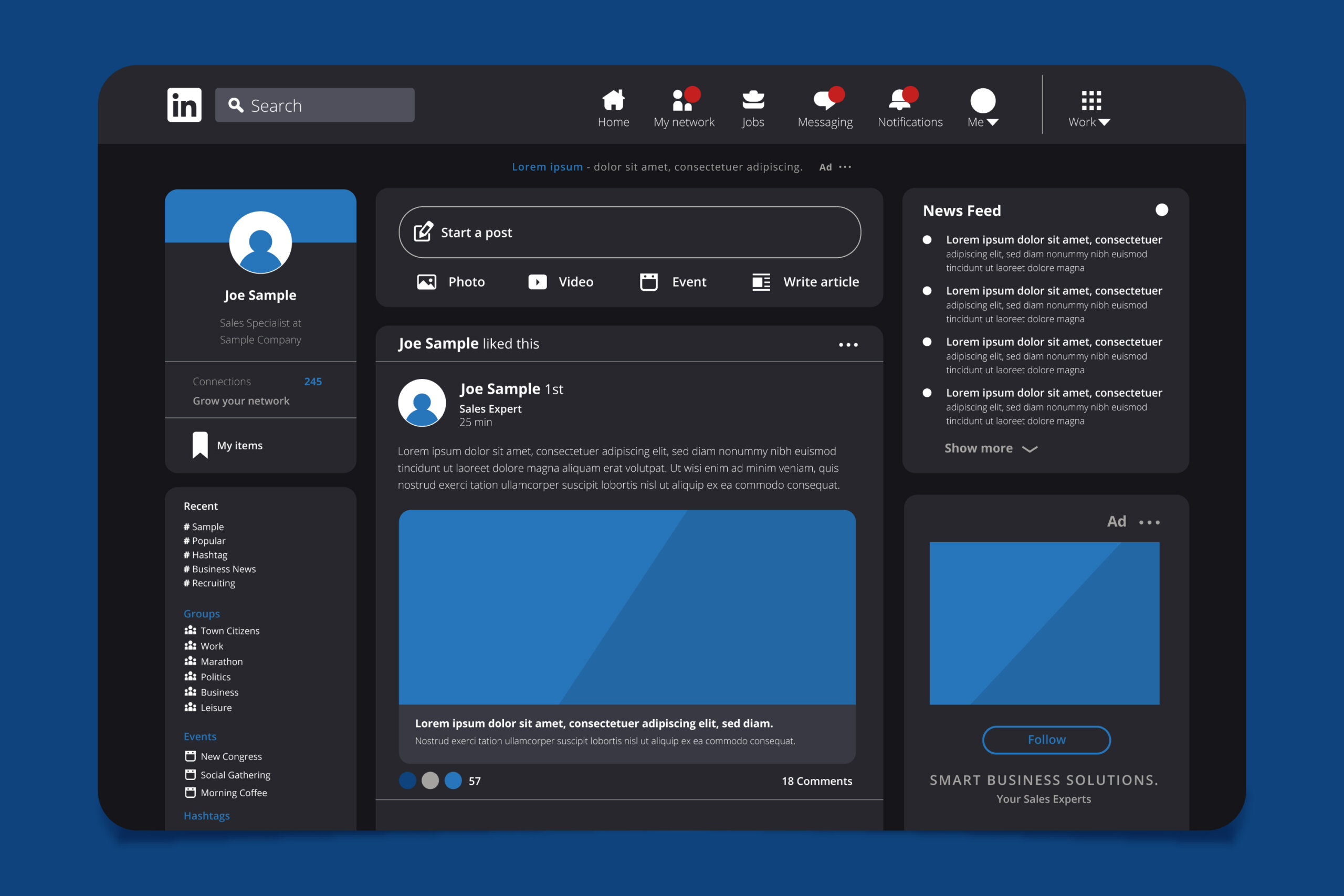
If you’ve decided to take a break from LinkedIn or permanently delete your account, knowing the steps involved in deactivating your profile is essential. Whether you want to protect your privacy, eliminate duplicates, or simply need a break from the platform, this comprehensive guide will walk you through deactivating your LinkedIn account. In this article, …

LinkedIn founder and triple billionaire Reid Hoffman has two endearing mannerisms that reveal the way he sees–and reasons with–the strategic environment. First, he peppers his statements with the word so. Almost a verbal tic that would grate on a speaking coach like the overuse of the dreaded uh … but he uses it more like …

If you’ve been in the same job for a while, it might be time to explore a new role that better matches your skills. Or perhaps you’ve been job hunting for months, only to face rejection or silence. Securing the right position for your career growth requires standout materials that get noticed. It takes effort, …
More in Career Development
Ultimate Guide
The gig economy encompasses short-term, flexible work arrangements, including freelance, contract, and project-based jobs. Enabled by digital platforms, it has proliferated, offering workers opportunities to take on flexible roles outside traditional employment. This shift has been fueled by technological advancements and changing preferences for work-life balance and autonomy. This guide will explore the opportunities and …
Ultimate Guide
Soft skills are interpersonal, emotional, and communication-based abilities that complement hard skills, the technical or job-specific abilities required for a role. While hard skills focus on specific tasks, such as coding, designing, or analyzing data, soft skills enable individuals to navigate workplace dynamics, lead teams, and communicate effectively. In an increasingly complex and collaborative work …
Ultimate Guide
Emotional Intelligence (EI) is the ability to recognize, understand, manage, and effectively use emotions in oneself and others. The core components of EI include self-awareness, self-regulation, motivation, empathy, and social skills, each contributing to how individuals interact and respond to emotional situations. High EI enhances decision-making, promotes teamwork, and strengthens leadership, all of which are …
Ultimate Guide
Continuing education encompasses learning beyond traditional schooling, allowing professionals to enhance skills, gain new knowledge, and stay current. In today’s competitive job market, upskilling has become essential for career advancement and adaptability as industries evolve rapidly with technological and market shifts. Many professionals consider degrees, certifications, or skill-based courses to remain valuable in their roles. …
Ultimate Guide
Imposter syndrome is a psychological pattern in which individuals doubt their accomplishments and fear being exposed as frauds. The term was first coined in the 1970s and commonly affects high-achieving individuals. Symptoms include persistent self-doubt, attributing success to luck rather than skill, and feeling unworthy of praise or accomplishments. Unchecked, imposter syndrome can hinder career …
Ultimate Guide
Remote work, also known as telecommuting or working from home, refers to a working arrangement where employees perform their job responsibilities outside of a traditional office environment. While remote work has existed in various forms for decades, it has gained significant momentum in recent years due to technological advancements, such as high-speed internet, video conferencing, …
Ultimate Guide
Company culture encompasses the shared values, beliefs, and practices within an organization that shape the work environment and influence employee experiences. It reflects how people interact, collaborate, and approach their work, impacting everything from job satisfaction to productivity and retention. This guide explores the elements of company culture and its role in organizational success. By …